Destinations
Destinations
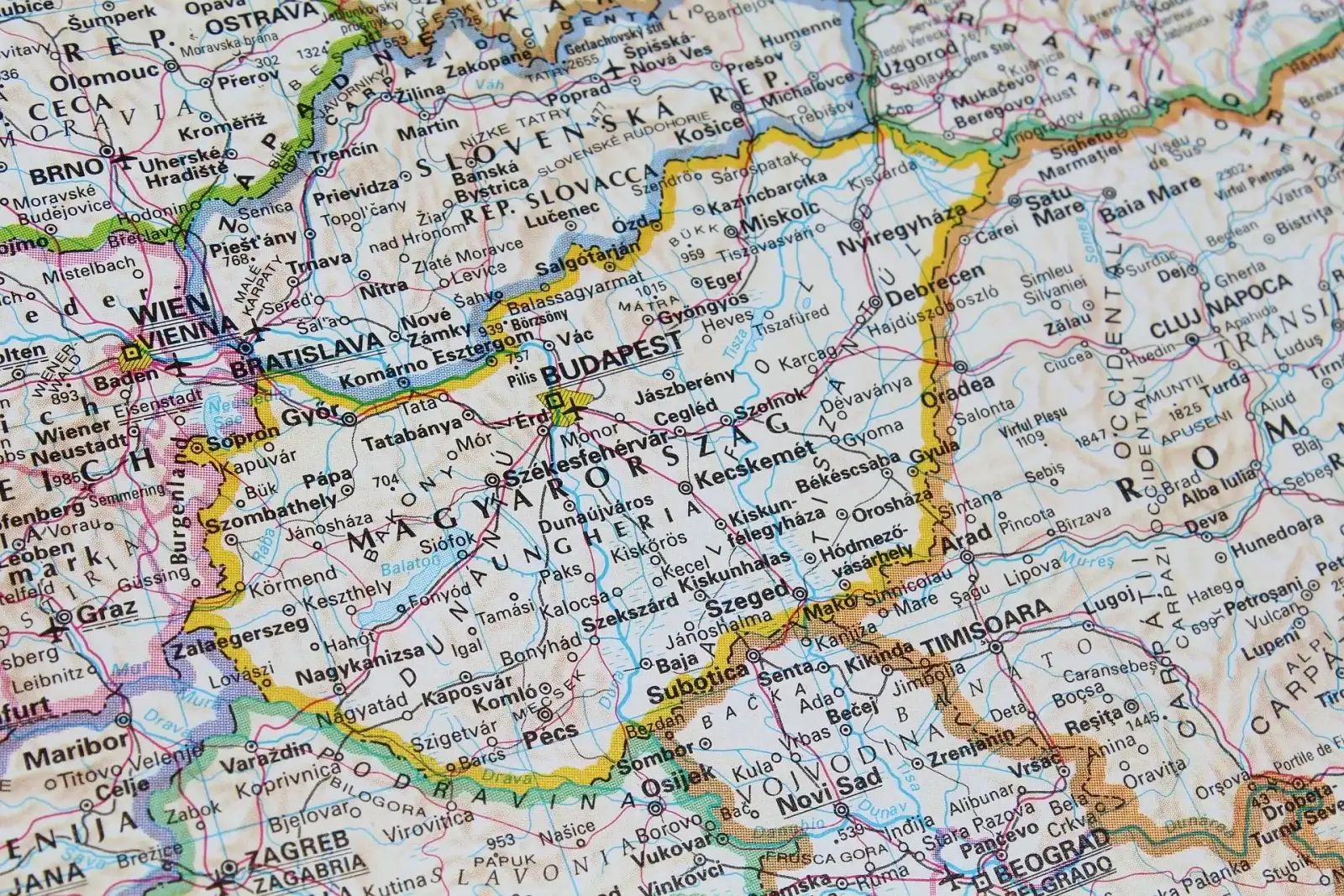
Hollókő hides among the undulating Cserhát hills, about 100 km from Budapest, in a picturesque setting. The history of the village goes back to the 13th century, when the castle was built on Szár Hill after the Mongol invasion. The name (holló = raven, kő = stone) perhaps comes from the legend in which the lord of a castle stole a pretty maiden whose nurse was a witch. The nurse made a pact with the devil to rescue the girl: the devil’s minions, disguised as ravens, carried away the stones of the castle, and the castle of Hollókő was built on top of the rock here. It is worth walking up to the castle to see the exhibition of fragments of weaponry, cannonballs and carved stone finds. From here there is a beautiful view over the surrounding protected area, which is part of the Bükk National Park.
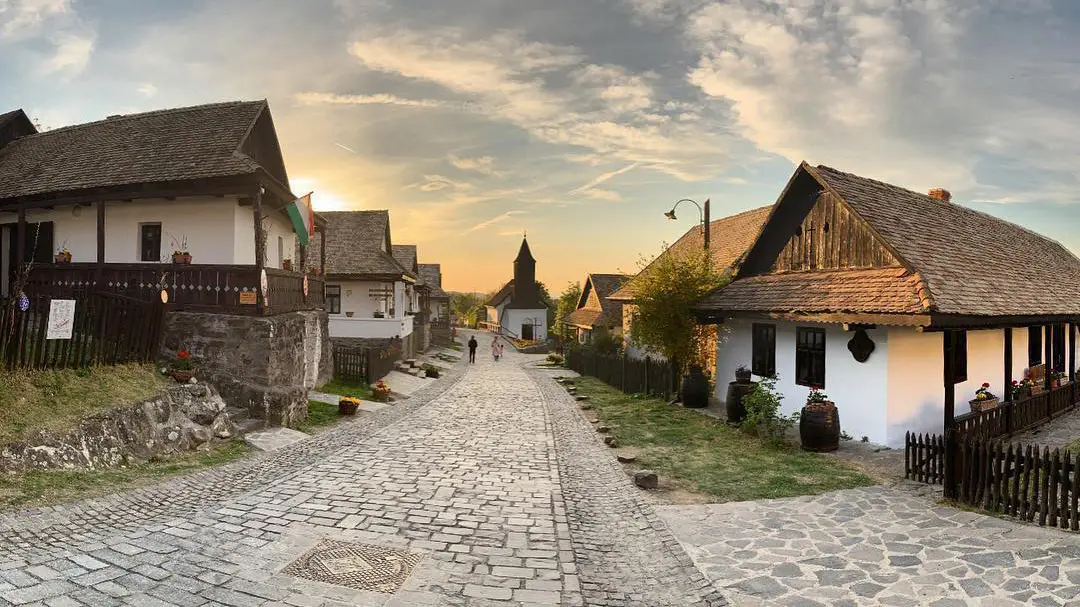
The settlement burnt down several times, because until the beginning of the 20th century the buildings were covered with inflammable thatched roofs. After the last fire, in 1909, the houses were restored to their original form, but now with clay-brick walls and tiled roofs. The traditional medieval village structure is easy to see: the single long street has thin plots running off it at right angles. In the middle of the settlement, as if on an island, stands the village church. The wooden-towered, tile-covered Roman Catholic church was built in 1889. The village’s 60 protected buildings are characteristic peasant houses with stepped gable roofs and porches with wooden breast walls decorated with openwork carvings. Their interior layout faithfully retains the 17th-century Palóc style: they consist of three distinct rooms. From the porch you step into a cooking and dining room, which in winter was also the best place to sleep, on the bench around the stove. The kitchen adjoined the larder, where the cereals and the agricultural equipment were stored and which also served as the bedroom for the old folk. The so-called clean room on the street front was the jewel and decoration of the house; in Hollókő it was not kept only for guests, as in other regions, but was lived in by the man of the house with his family. As families grew, the houses were extended lengthways, and this is how the buildings that can be seen today were formed; one of them houses the Village Museum, where you can also have a look at the interior of a house, its furniture, decorations and tools. Of the old folk crafts, textile production is shown in the Loom House, where apart from the ancient techniques they also work on a weaver’s loom with a flying shuttle.
Other buildings hold a village hall, a post office and a nursery school; in other words, this is not an open-air museum but a real, living village. Accommodation and restaurants are available in several houses. The residents of this village of 400 people are Palóc. Besides their special dialect, they retain their traditions and their colourful, richly decorated folk costume; on the more important festivals they still wear the folk clothes that they usually make themselves. The most beautiful are the special-occasion dresses of the young girls and brides: under the red or blue silk skirt you can see 6, 8 or even 10 snow-white, starched underskirts. Easter in Hollókő is perhaps the most spectacular holiday, when costumes, Easter customs and folk handicrafts are on display. The Nógrád County Folklore Festival, the Castle Games in August, the harvest procession in October and the concerts organised in the fortress or inside the church attract many visitors.